
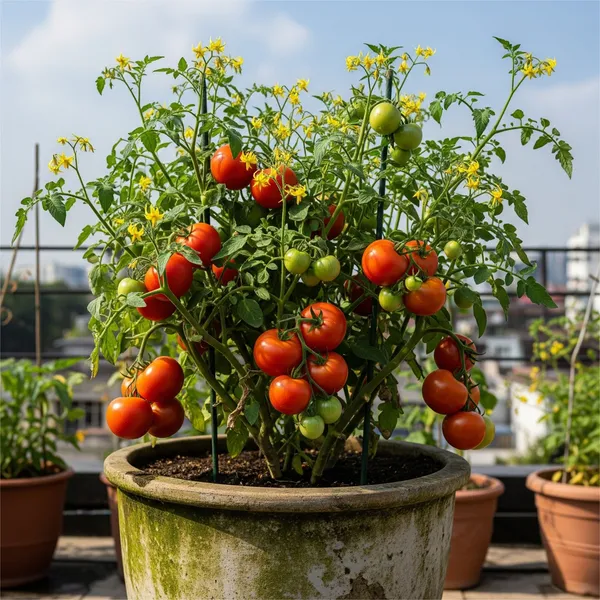
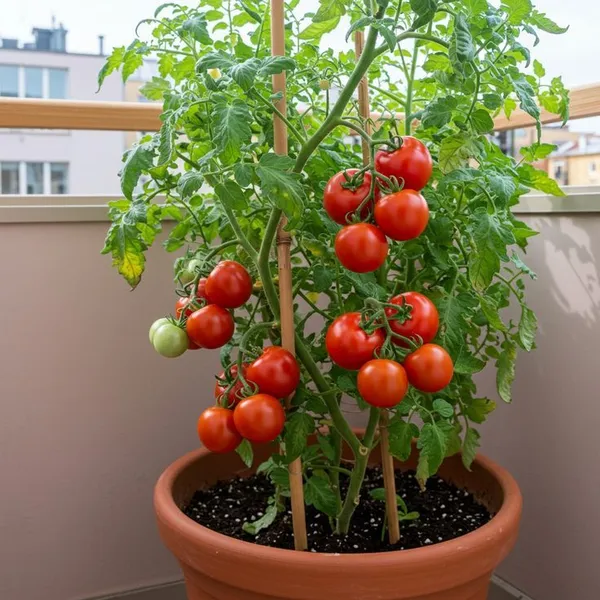
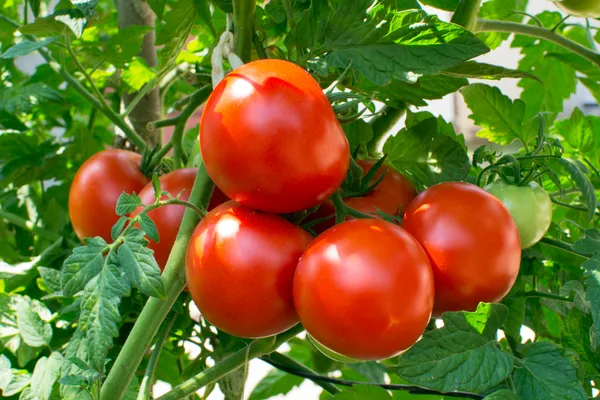
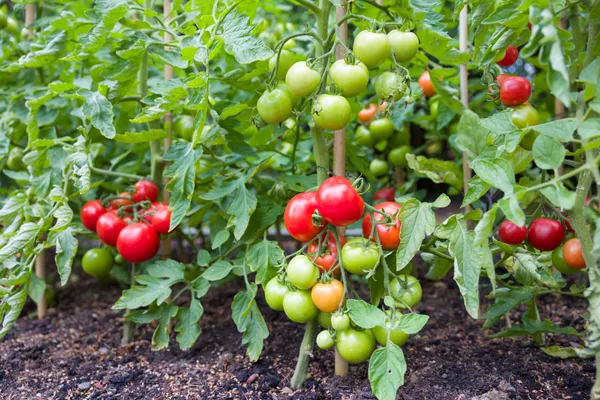
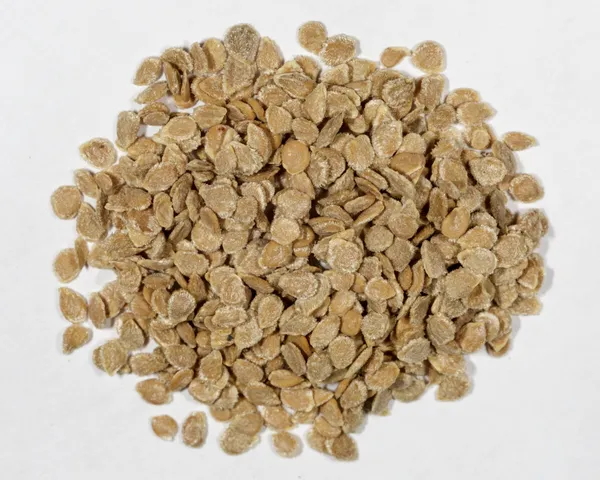

Greenery Nursery® Tomato Seeds (0-30 Pices) For Your Home Garden (Pack Of 1..More
₹449
₹2,663
83% OffThe Biggest Steals Are Here!
0H:0M:0S
Final Price inclusive of all taxes
Cash on Delivery
Free Delivery
Get it delivered in 4-7 days
size
FREE SIZE
Product Information
Product Type
Live Vegetable Seeds
Brand
Greenery Nursery
Country
India
Suitable Location
Outdoor
Product Description
Tomato Seed Germination – Description
Tomato seed germination is the biological process by which a tomato seed develops into a seedling. It typically takes 5 to 10 days under optimal conditions. Here's a step-by-step overview of the process:
1. Imbibition (Water Absorption)
The dry tomato seed absorbs water from the surrounding soil or medium.
This causes the seed to swell and the seed coat to soften.
Enzymes activate inside the seed, initiating metabolic processes.
2. Activation of Metabolism
Stored food reserves (mainly starches) inside the seed are broken down into sugars and energy.
This energy fuels the growth of the embryonic plant inside.
3. Radicle Emergence
The radicle (the embryonic root) is the first part to break through the seed coat.
It grows downward into the soil to anchor the plant and absorb water and nutrients.
4. Shoot Emergence
The plumule (embryonic shoot) begins to grow upward.
It pushes through the soil and eventually breaks the surface as a sprout.
5. Seedling Development
Once above ground, the seedling develops its first true leaves after the initial cotyledons (seed leaves).
The plant begins photosynthesis and continues its growth cycle.
Optimal Conditions for Germination
Temperature: 21–27°C (70–80°F)
Moisture: Consistent but not waterlogged
Oxygen: Well-aerated soil or medium
Light: Not necessary for germination but needed for seedling growth