
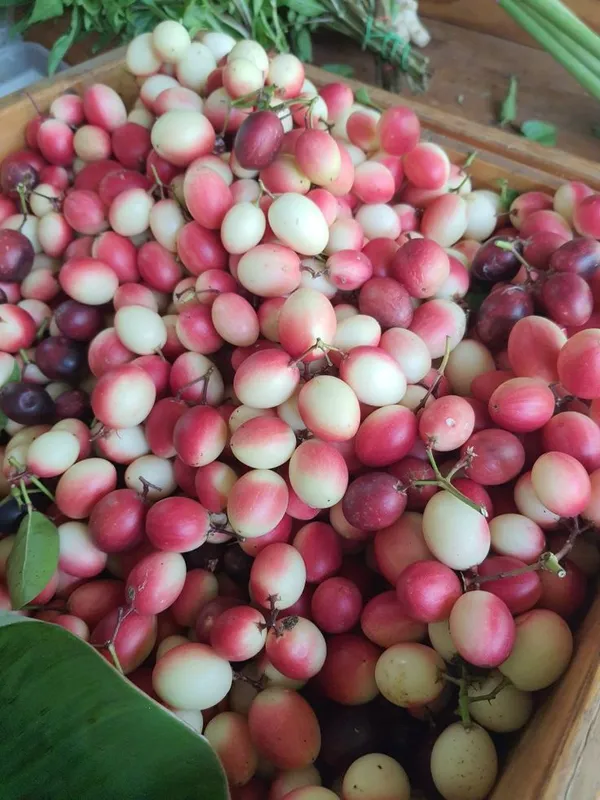
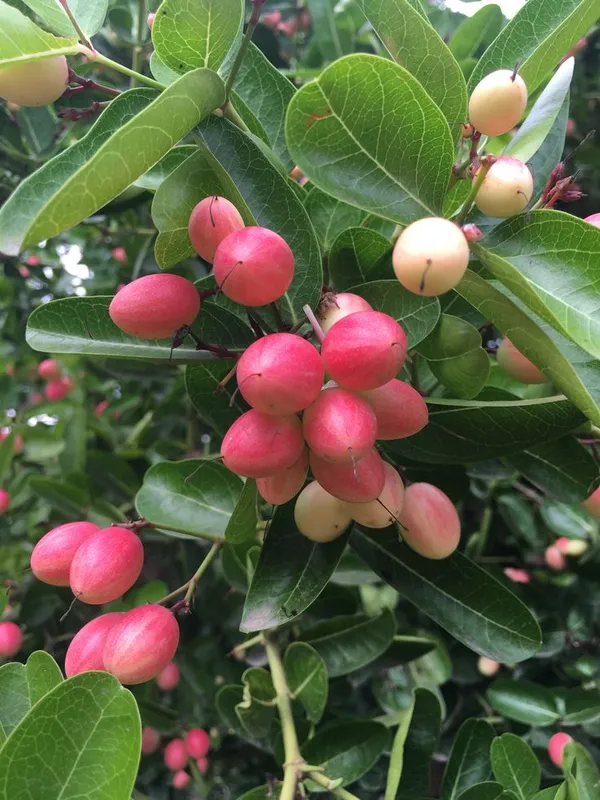
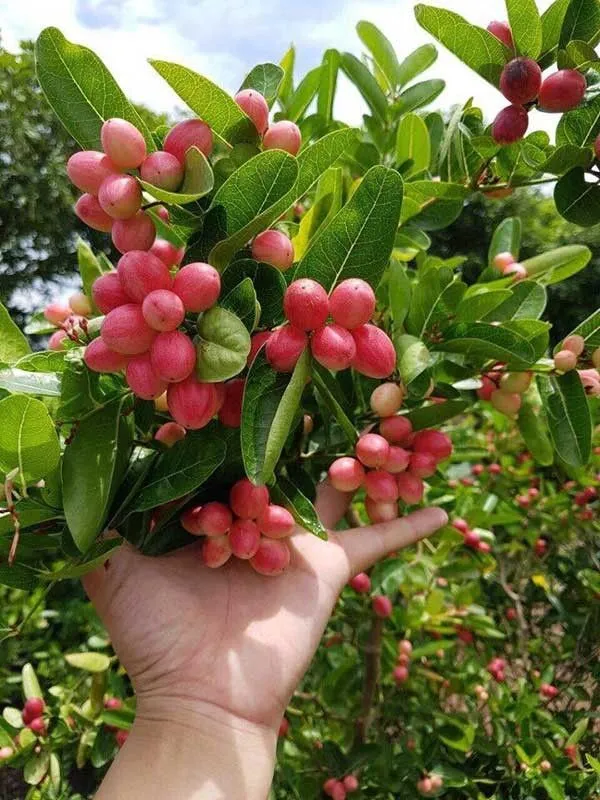
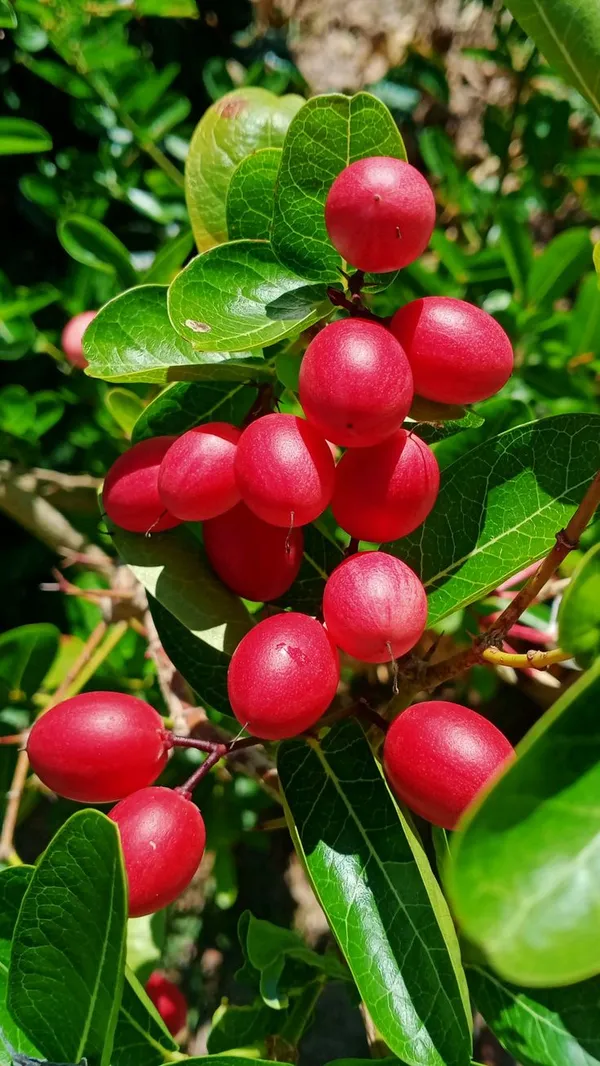
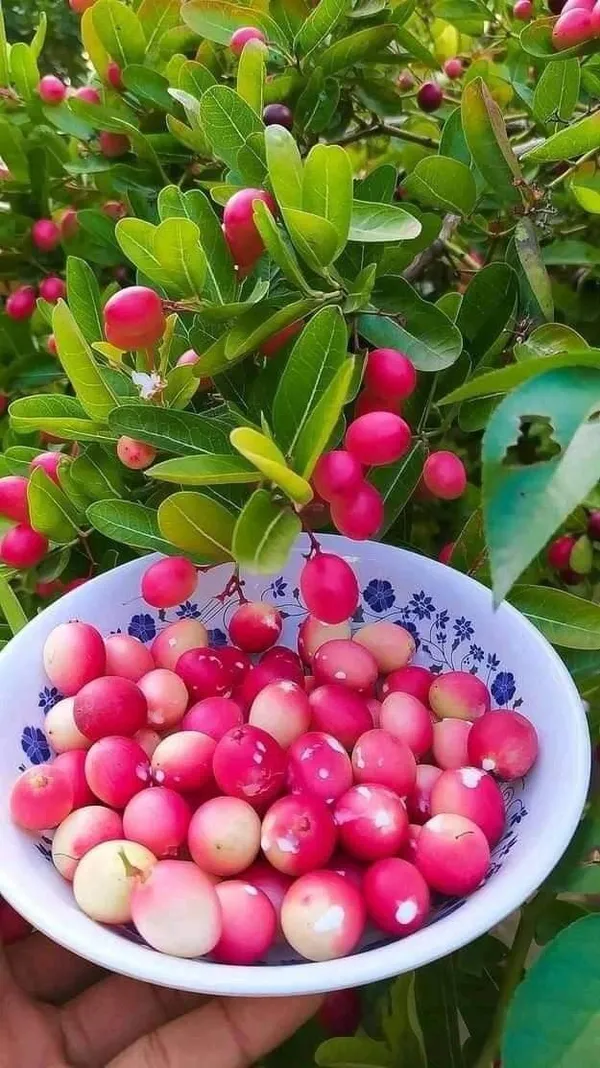
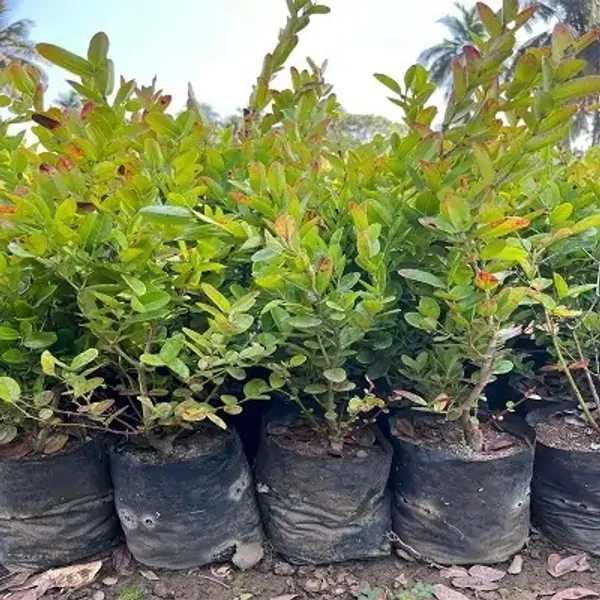
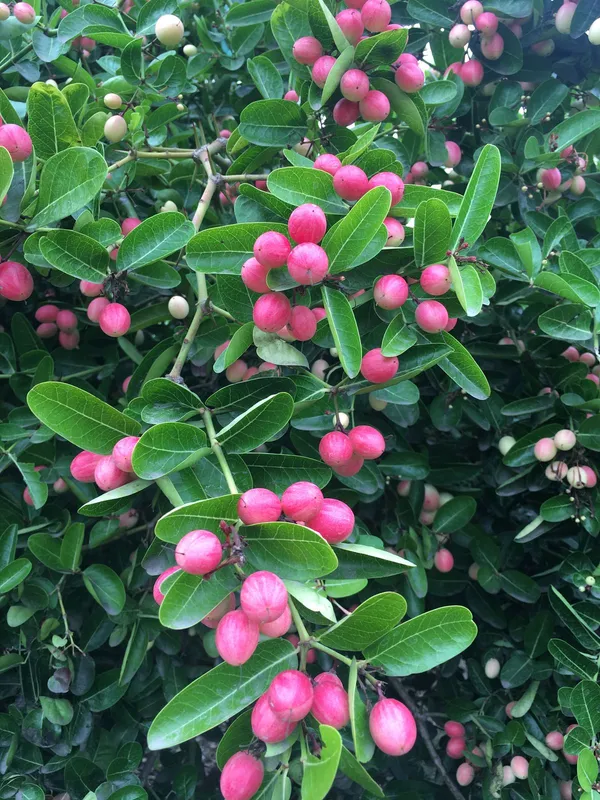

Sweet Karmocha/Karonda Delicious Fruit Plant & Tree For Home Garden (Hybrid..More
₹449
₹2,330
80% OffBiggest Sale of the Year!
0H:0M:0S
Final Price inclusive of all taxes
Cash on Delivery
Free Delivery
Get it delivered in 4-7 days
size
FREE SIZE
Product Information
Product Type
Fruit Plant
Brand
Greenery Nursery
Hybrid
Yes
Country
India
life Cycle
Annual
Product Description
The Karonda plant, scientifically known as Carissa carandas, is a hardy, drought-tolerant, evergreen shrub or small tree native to the Indian subcontinent and Southeast Asia. It is widely grown for its edible fruits, medicinal properties, and use as a natural hedge.
🔍 Botanical Classification
Common Names: Karonda, Christ's thorn, Bengal currant, Carandas plum
Scientific Name: Carissa carandas
Family: Apocynaceae
Origin: India, Sri Lanka, and Southeast Asia
🌿 Plant Characteristics
Type: Shrub or small tree
Height: 2 to 4 meters (can grow taller if not pruned)
Leaves: Dark green, glossy, oval-shaped with a leathery texture
Thorns: Sharp, often paired, making it ideal for fencing or protective hedges
Flowers: Small, white, fragrant, star-shaped; bloom in clusters
Fruit: Ovoid to oblong berries, green when unripe, turning pink to dark purple or black when ripe
Seeds: 1 to 4 hard, flat brown seeds inside the fruit
🍇 Fruit Details
Taste: Sour when unripe, slightly sweet when ripe
Uses:
Eaten raw or cooked
Used in pickles, jams, chutneys, and syrups
Rich in vitamin C and iron
Traditional Ayurvedic uses include treatment of anemia, diarrhea, and skin problems
🌱 Growing Conditions
Climate: Tropical and subtropical; withstands drought and high temperatures
Soil: Well-drained sandy or loamy soil; tolerant of poor soils
Sunlight: Full sun to partial shade
Water: Low to moderate; drought-tolerant once established
Propagation: Seeds, cuttings, or air layering
🛡️ Pests and Diseases
Generally pest-resistant due to its tough nature and milky latex
Occasionally affected by fruit flies or fungal diseases in very humid conditions
🧱 Other Uses
Excellent for live fencing or hedges due to its thorny branches
Acts as a protective barrier around farms or gardens
Used in reforestation and soil erosion control
🔍 Botanical Classification
Common Names: Karonda, Christ's thorn, Bengal currant, Carandas plum
Scientific Name: Carissa carandas
Family: Apocynaceae
Origin: India, Sri Lanka, and Southeast Asia
🌿 Plant Characteristics
Type: Shrub or small tree
Height: 2 to 4 meters (can grow taller if not pruned)
Leaves: Dark green, glossy, oval-shaped with a leathery texture
Thorns: Sharp, often paired, making it ideal for fencing or protective hedges
Flowers: Small, white, fragrant, star-shaped; bloom in clusters
Fruit: Ovoid to oblong berries, green when unripe, turning pink to dark purple or black when ripe
Seeds: 1 to 4 hard, flat brown seeds inside the fruit
🍇 Fruit Details
Taste: Sour when unripe, slightly sweet when ripe
Uses:
Eaten raw or cooked
Used in pickles, jams, chutneys, and syrups
Rich in vitamin C and iron
Traditional Ayurvedic uses include treatment of anemia, diarrhea, and skin problems
🌱 Growing Conditions
Climate: Tropical and subtropical; withstands drought and high temperatures
Soil: Well-drained sandy or loamy soil; tolerant of poor soils
Sunlight: Full sun to partial shade
Water: Low to moderate; drought-tolerant once established
Propagation: Seeds, cuttings, or air layering
🛡️ Pests and Diseases
Generally pest-resistant due to its tough nature and milky latex
Occasionally affected by fruit flies or fungal diseases in very humid conditions
🧱 Other Uses
Excellent for live fencing or hedges due to its thorny branches
Acts as a protective barrier around farms or gardens
Used in reforestation and soil erosion control